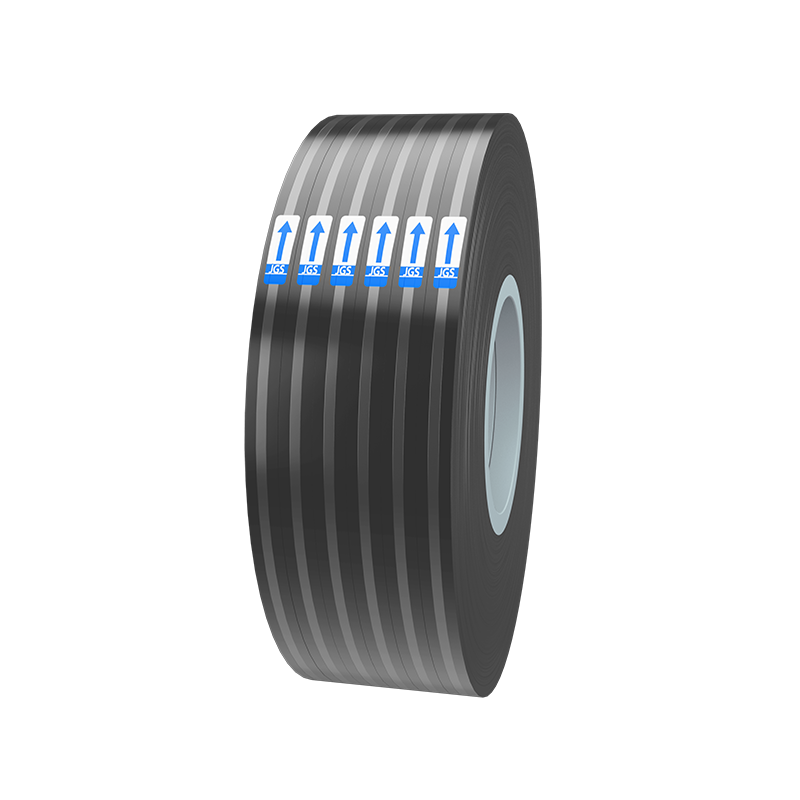
An alumiinipinnoitettu kalvorulla on korkean suorituskyvyn komposiittimateriaali, joka on muodostettu kerrostamalla alumiiniatomikerros muovikalvon pinnalle korkeapainehaihdutustekniikan avulla. Perinteisiin alumiinifoliokomposiittimateriaaleihin verrattuna se säilyttää erinomaiset sulkuominaisuudet vesihöyryä, happea, valoa ja aromia vastaan samalla, kun se vähentää merkittävästi materiaalin kulutusta ja kustannuksia. Siitä on tullut korvaamaton avainmateriaali pakkaus-, sähköeristys-, rakennus-, elektroniikka- ja muilla aloilla.
Perusmateriaali on pääasiassa muovikalvoa, jolla on vakaa suorituskyky ja hyvä sitkeys. Yleisiä substraattityyppejä ovat polyesterikalvo, polypropeenikalvo, polyeteenikalvo ja polyamidikalvo. Nämä materiaalit tarjoavat etuja lämpötilan kestävyyden, vetolujuuden, läpinäkyvyyden ja joustavuuden suhteen.
Alumiinipinnoite muodostetaan korkean tyhjiön ympäristössä. Tämä pinnoite on erittäin ohut mutta tiheä muodostaen jatkuvan metallikerroksen. Laadukas alumiinipinnoitettu kalvorulla Siinä on tasainen pinnoitteen jakautuminen, ei reikiä ja vakaat fysikaaliset ominaisuudet.
Komposiittirakenteessa yhdistyvät muovin joustavuus ja metallin sulkuominaisuudet. Se välttää puhtaan alumiinifolion haurautta ja korkeita kustannuksia samalla kun laajentaa sovellusten mukautumiskykyä.
Prosessi vaatii vakaan suurtyhjiöympäristön hapettumisen estämiseksi ja oikean alumiinin kerrostumisen varmistamiseksi.
Jännitteen hallinta on ratkaisevan tärkeää muodonmuutosten, ryppyjen tai epätasaisen pinnoitteen estämiseksi.
Haihtumisnopeus ja kalvon nopeus määräävät pinnoitteen paksuuden ja tuotteen suorituskyvyn.
Prosesseihin kuuluu leikkaus, koronakäsittely ja laminointi erilaisten käyttövaatimusten täyttämiseksi.
Se estää tehokkaasti hapen, kosteuden ja valon. Valonsuojausaste voi ylittää 99 % , joten se sopii herkille tuotteille.
Se tarjoaa erinomaisen vetolujuuden, joustavuuden ja halkeilunkestävyyden alumiinifolioon verrattuna.
Kalvo tarjoaa lämmön heijastuksen, johtavuuden ja sähkömagneettisen suojauksen.
Se käyttää vähemmän alumiinia, alentaa kustannuksia ja tukee ympäristöystävällisiä pakkaustrendejä.
Polyesteri, polypropeeni, polyeteeni ja muut.
Tavalliset, korkeat ja ultrakorkeat estetyypit.
Elintarvikepakkaukset, sähköeristys, koriste- ja teollinen käyttö.
Koronakäsitellyt, päällystetyt, tulostettavat ja komposiittityypit.
| Filmin tyyppi | Pääasiallinen etu | Tyypillinen käyttö |
| Polyesteripohjainen | Korkean lämpötilan kestävyys, korkea lujuus | Eristysmateriaalit, korkean lämpötilan pakkaus |
| Polypropeenipohjainen | Hyvä kosteudenkestävyys, alhaiset kustannukset | Päivittäiset elintarvikepakkaukset, kosteudenkestävät pussit |
| Korkean esteen tyyppi | Erittäin alhainen siirtonopeus | Lääkepakkaukset, pitkäaikainen varastointi |
Alumiinimetallikalvorullaa käytetään laajalti välipala-, kahvi-, tee- ja pakastepakkauksissa. Se estää hapettumista ja kosteutta ja pidentää säilyvyyttä.
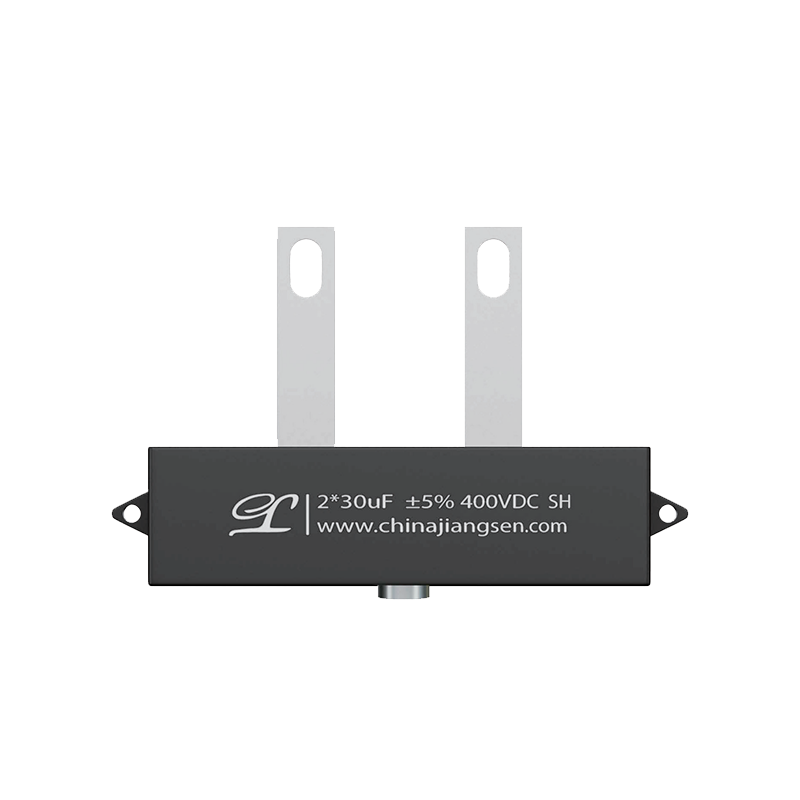
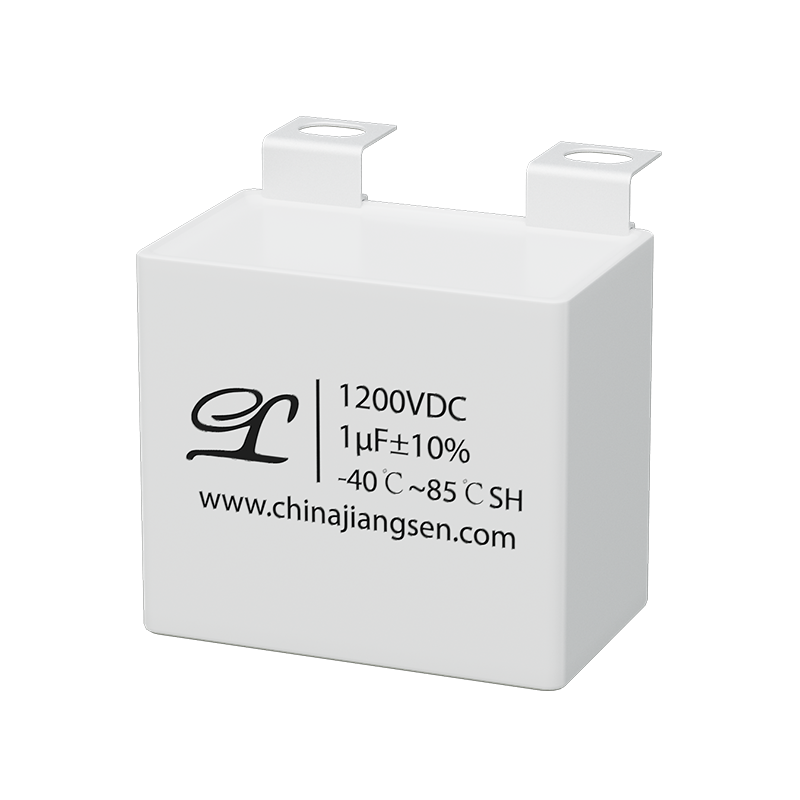
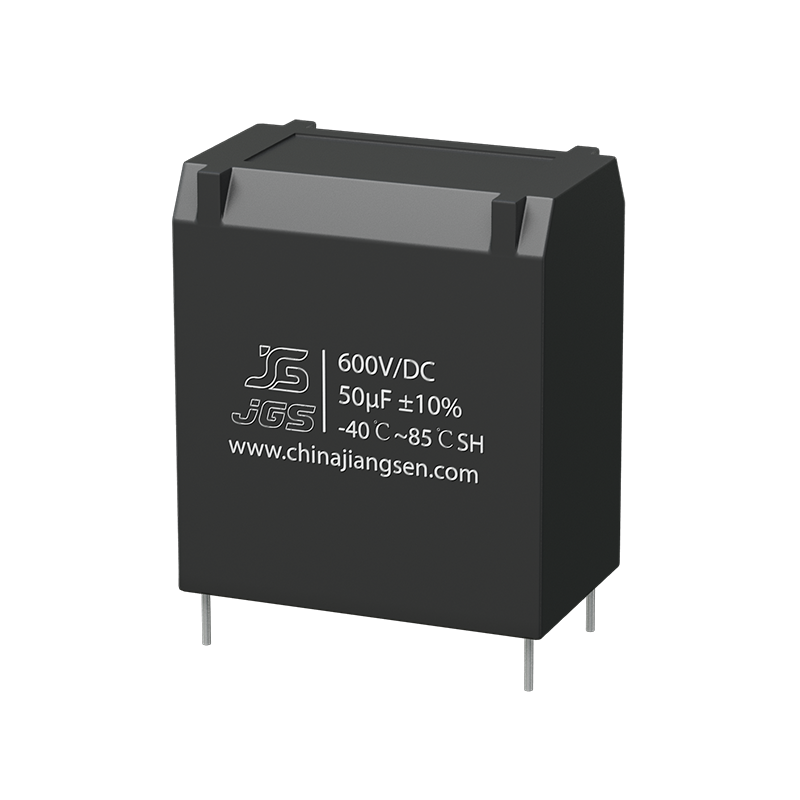
Käytetään kondensaattoreissa, eristyskerroksissa ja sähkömagneettisissa suojaussovelluksissa.
Toimii heijastavana kerroksena parantaen rakennuksen energiatehokkuutta.
Käytetään kosmetiikan ja koristeellisten materiaalien pakkaamiseen visuaalisesti parannetulla tavalla.
Suojaa kosteudelta, naarmuilta ja hapettumiselta.
Korona hoito parantaa musteen tarttuvuutta selkeään tulostukseen.
Varmistaa vahvan sidoksen muiden materiaalien, kuten PE, paperin ja kuitukankaiden, kanssa.
Säilyttää vakauden lämpötilan ja kosteuden vaihteluissa.
On noudatettava elintarviketurvallisuusmääräyksiä ilman haitallisia aineita.
Epätasainen pinnoite , hapettumista ja reikiä voidaan korjata prosessin optimoinnin ja laadunvalvonnan avulla.
Teollisuus on menossa kohti korkea suorituskyky, kestävyys ja monikäyttöisyys . Kysyntä kasvaa elintarvike-, elektroniikka- ja rakennusaloilla. Tulevaisuuden innovaatioita ovat kierrätettävät materiaalit ja kehittyneet toiminnalliset pinnoitteet.

© 2010-2024 www.chinajiangsen.com Kaikki oikeudet pidätetään.Mukautetut Dc Link Power Film -kondensaattorien valmistajat Tietosuojakäytäntö
增值电信业务经营许可证 苏ICP备12026789号-1