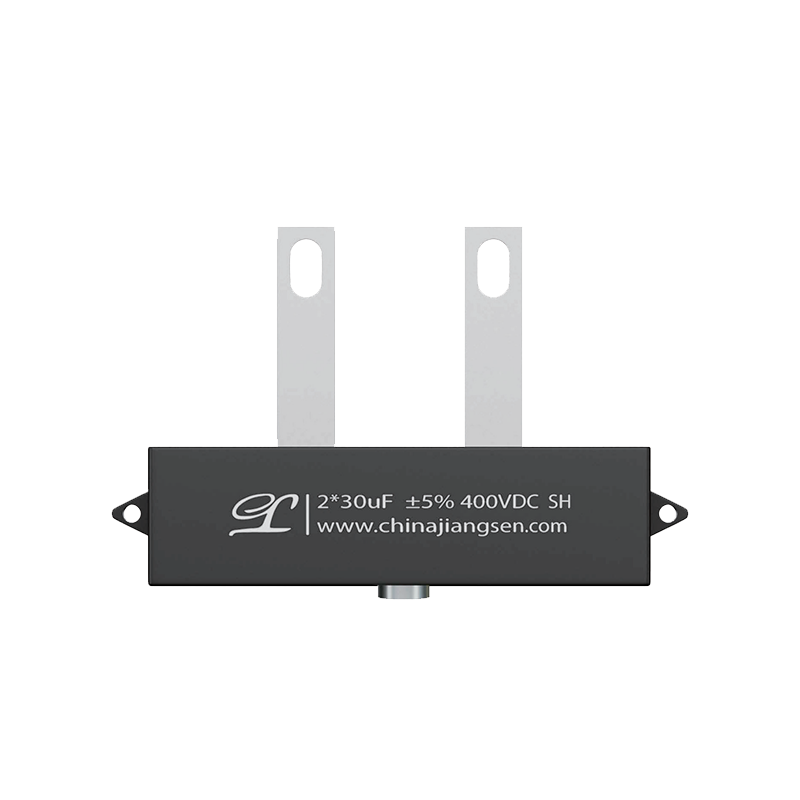
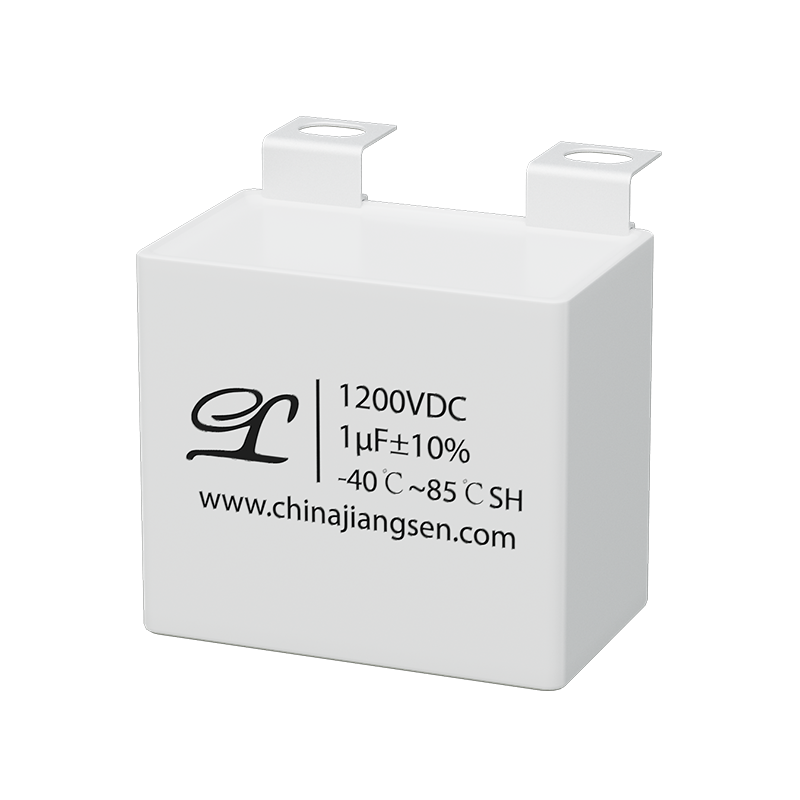
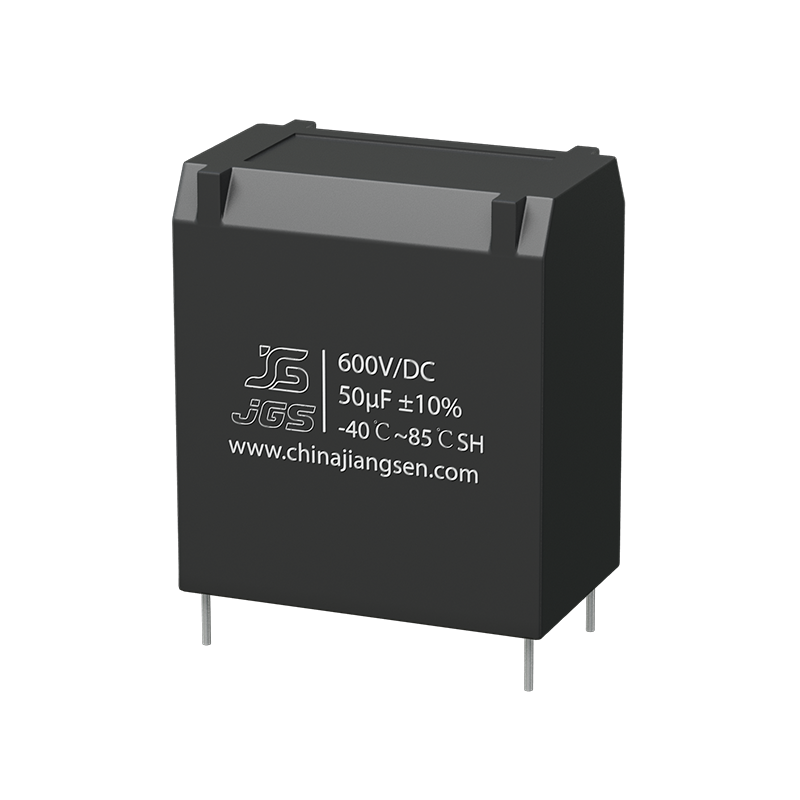
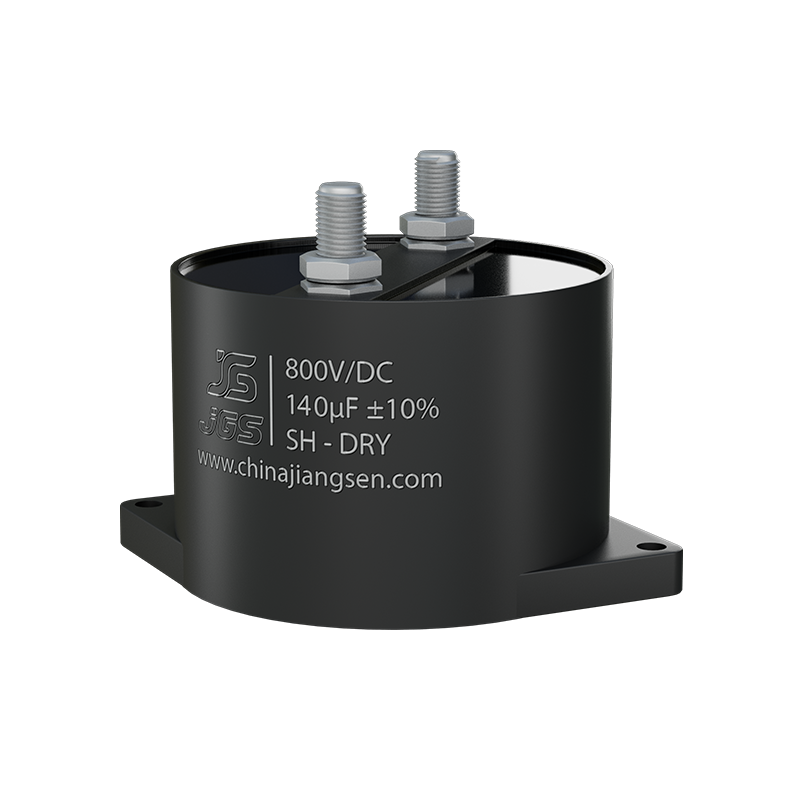
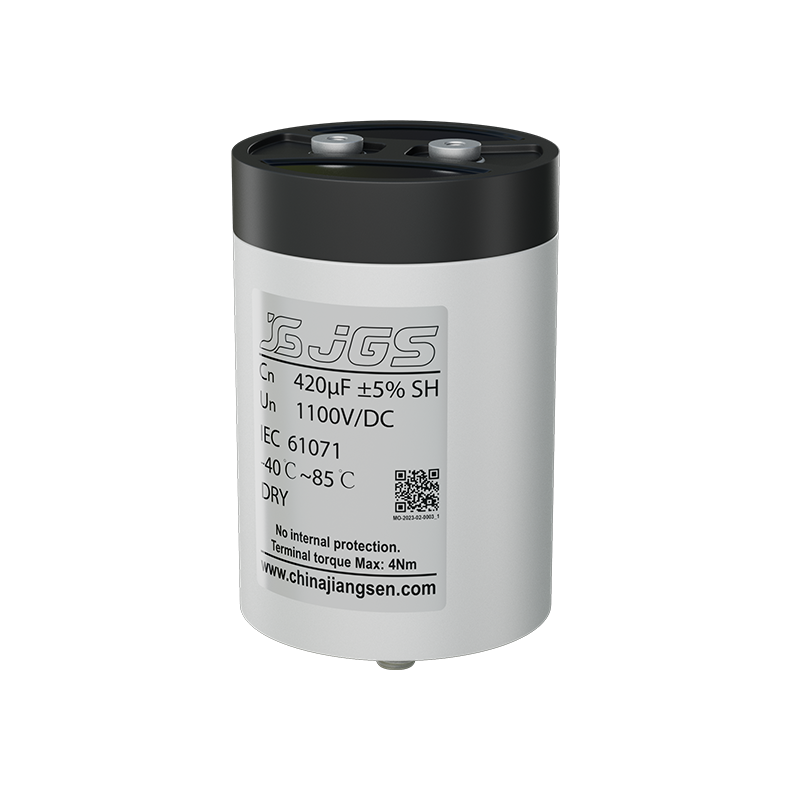
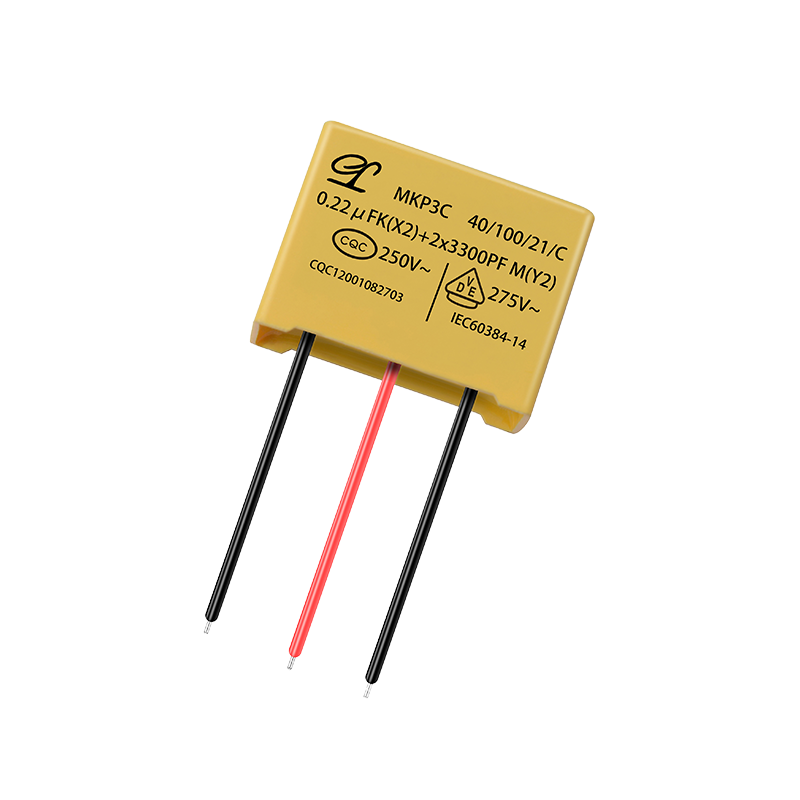
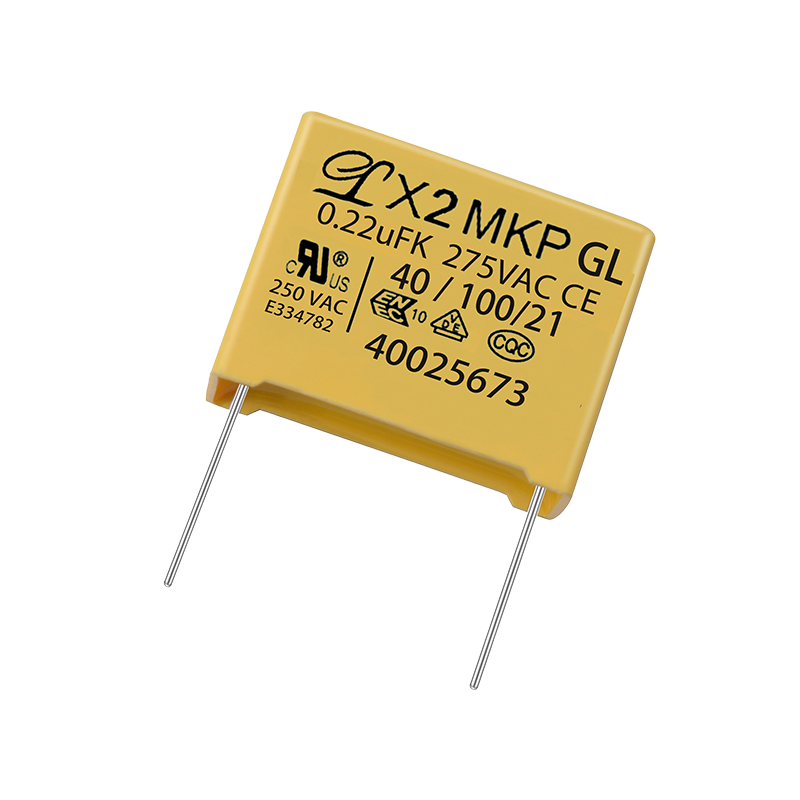
Metalloidut elektrolyyttikondensaattorit käytetään laajalti elektronisissa järjestelmissä, jotka vaativat suurta luotettavuutta, kompaktia kokoa ja vahvaa kestävyyttä paikallisia sähkövikoja vastaan. Toisin kuin perinteiset märät alumiinielektrolyyttikondensaattorit, jotka usein epäonnistuvat katastrofaalisesti dielektrisen hajoamisen aikana, metalloidut versiot sisältävät ainutlaatuisen itseparannusmekanismi joka eristää vaurioituneet alueet ja palauttaa dielektrisen eheyden lähes välittömästi. Tämä ominaisuus vaikuttaa merkittävästi nykyaikaiseen virtalähteen suunnitteluun, suodatus- ja energian varastointisovelluksiin, joissa vakaus ja tilan tehokkuus ovat kriittisiä.
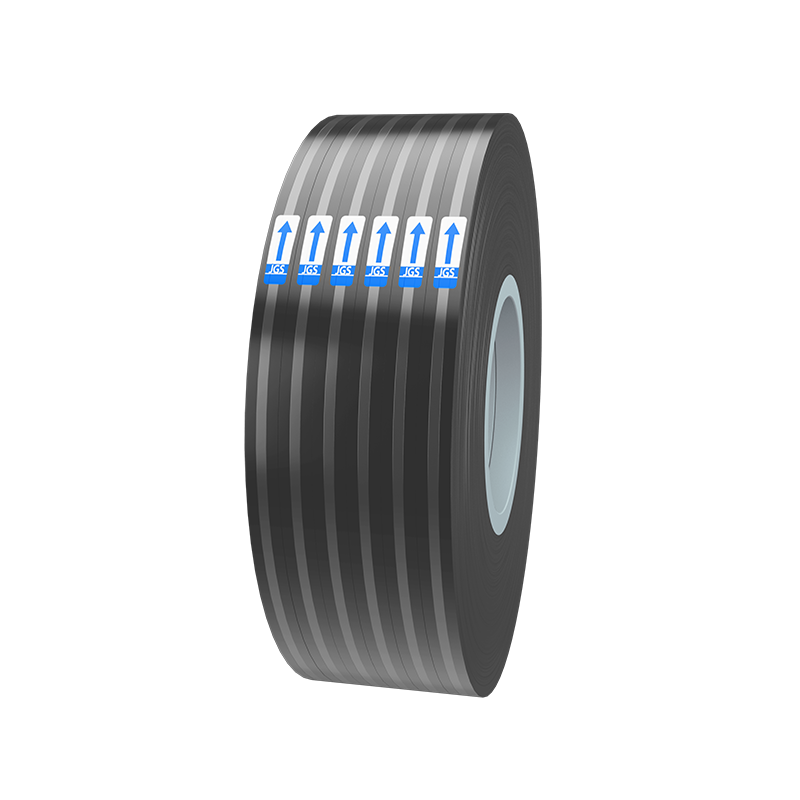
Metallisoidut elektrolyyttikondensaattorit eroavat perinteisistä malleista sisäisen rakenteeltaan. Kahden paksun alumiinifolion sijaan he käyttävät a tyhjiöpinnoitettu ultraohut metallikerros (yleensä alumiini tai sinkki) levitetään suoraan dielektriselle kalvolle, kuten polyesteri tai polypropeeni.
Tämä metalloitu kerros toimii katodina, kun taas erillinen johtava rakenne toimii anodina. Elektrolyytti varmistaa tasaisen sähköisen kosketuksen ohuen metallikerroksen yli, mikä vähentää ekvivalenttista sarjaresistanssia (ESR). Koska elektrodi on erittäin ohut, kapasitanssitiheys kasvaa merkittävästi, mikä mahdollistaa kompaktin pakkaamisen.
Kun dielektrinen hajoaminen tapahtuu, sähkökaari muodostuu eristekerroksen heikkoon kohtaan. Perinteisissä kondensaattoreissa tämä johtaa pysyvään oikosulkuun. Metalloiduissa elektrolyyttikondensaattoreissa käyttäytyminen on kuitenkin olennaisesti erilainen.
Energia kaaresta välittömästi höyrystää ohuen metallikerroksen vian ympärillä. Tämä nopea haihtuminen poistaa johtavan materiaalin ja muodostaa mikroskooppisen eristetyn alueen. Prosessi tapahtuu mikrosekunneissa, mikä eristää vian tehokkaasti ja palauttaa toiminnan vain merkityksettömällä kapasitanssihäviöllä.
Tämän seurauksena kondensaattori välttää katastrofaalisen vian ja jatkaa toimintaansa, mikä tekee siitä erittäin sopivan ympäristöihin, joissa on jännitepiikkejä ja ohimeneviä häiriöitä.
Koska metalloitu kerros on erittäin ohut, nämä kondensaattorit saavuttavat paljon suuremman kapasitanssin tilavuusyksikköä kohti verrattuna foliopohjaisiin malleihin. Tämä mahdollistaa kompaktit virtalähteet ja energian varastointijärjestelmät.
Monilla metalloiduilla malleilla on parannettu toleranssi AC-toiminnalle ja käänteisjännitetransienteille. Tämä tekee niistä sopivia suodatus- ja kytkentäsovelluksiin, joissa saattaa esiintyä napaisuusrasitusta.
Toisin kuin märät elektrolyyttikondensaattorit, jotka voivat ilmaantua tai räjähtää vian aikana, metalloidut kondensaattorit tyypillisesti epäonnistuvat avoimen piirin tila . Suurien elektrolyyttitilavuuksien puuttuminen vähentää myös vuotojen ja paineen aiheuttaman repeämisen riskiä.
Jokainen itseparantumistapahtuma poistaa pienen osan elektrodimateriaalista. Ajan mittaan toistuvat mikroviat voivat johtaa kapasitanssin asteittaiseen laskuun, erityisesti korkean jännityksen ympäristöissä.
Tyhjiömetallointiprosessi vaatii tarkkoja valmistuslaitteita, mikä lisää tuotantokustannuksia perinteisiin elektrolyyttikondensaattoreihin verrattuna.
Erittäin ohuella metallikerroksella on suurempi vastus kuin kiinteällä kalvolla, mikä rajoittaa huippuvirran käsittelykykyä ja lisää ESR:ää joissakin sovelluksissa.
Käytetään bulkkienergian varastointiin ja ulostulon suodatukseen, mikä mahdollistaa kompaktit ja tehokkaat tehonmuunnosjärjestelmät.
Tarjoaa joustavuutta kytkentätransientteja ja jännitepiikkejä vastaan invertteri- ja taajuusmuuttajajärjestelmissä.
Tukee pitkää käyttöikää korkeissa lämpötiloissa jatkuvatoimisissa ympäristöissä.
Käytetään DC-DC-muuntimissa, infotainment-järjestelmissä ja virranjakelumoduuleissa, jotka vaativat suurta luotettavuutta.
Tukee pitkäaikaista käyttöä aurinko- ja tuulijärjestelmissä, joissa huoltoon pääsy on rajoitettu.
Polypropeeni tarjoaa alhaiset häviöt ja korkean taajuuden suorituskyvyn, kun taas polyesteri tarjoaa suuremman kapasitanssitiheyden, mutta suuremmat häviöt. Paperipohjaisia hybridejä voidaan käyttää myös tietyissä elektrolyysirakenteissa.
Tasainen metallointi maksimoi kapasitanssin, kun taas segmentoitu metallointi rajoittaa vaurioita itsekorjautuvien tapahtumien aikana. Raskasreunan metallointi parantaa sähkökontaktien luotettavuutta päätepisteissä.
| Ominaisuus | Metalloitu elektrolyytti | Eirmaali märkä elektrolyytti | Kuivakalvokondensaattori |
| Itsensä parantava kyky | Kyllä | Ei | Kyllä |
| Tyypillinen vikatila | Asteittainen kapasitanssihäviö | Oikosulku/ilmanpoisto | Avoin piiri |
| Volumetrinen tehokkuus | Korkea | Erittäin korkea | Matala |
| Nestemäinen elektrolyytti | Joskus (hybridi) | Kyllä | Ei |
| Napaisuuden herkkyys | Matala / Non-polarized | Tiukasti polarisoitunut | Ein-polarized |
| Ihanteellinen käyttökotelo | SMPS, moottorikäytöt | Bulkkienergian varastointi | Korkea-frequency resonance |
Oikea jännitteen alentaminen on välttämätöntä, jotta vältetään liiallinen riippuvuus itsekorjausmekanismista. Jatkuva toiminta lähellä rikkoutumisrajoja nopeuttaa kapasitanssin heikkenemistä.
Myös lämmönhallinta on tärkeää. Aaltoiluvirrat synnyttävät sisäistä lämpöä, joten riittävä PCB-kuparipinta-ala tai pakotettu ilmavirta on suositeltavaa. Liiallisia juotoslämpötiloja tulee myös välttää tiivistysrakenteiden suojaamiseksi.
Nanomittakaavan metalloinnin edistysaskeleet parantavat vastuksen hallintaa ja vikavastauskäyttäytymistä. Uudet polymeerieristeet pidentävät käyttölämpötilarajoja, kun taas hybridielektrolyyttijärjestelmät parantavat suorituskykyä suurtaajuuksilla.
Koska laajakaistaiset puolijohteet, kuten SiC ja GaN, lisäävät kytkentänopeuksia, seuraavan sukupolven metalloidut elektrolyyttikondensaattorit optimoidaan usean megahertsin toimintaan, mikä varmistaa jatkuvan merkityksen suuritiheyksisessä tehoelektroniikassa.

© 2010-2024 www.chinajiangsen.com Kaikki oikeudet pidätetään.Mukautetut Dc Link Power Film -kondensaattorien valmistajat Tietosuojakäytäntö
增值电信业务经营许可证 苏ICP备12026789号-1